
Settings
City
›
Advisory levels
›
Guide 🇧🇴 La Paz
⚠️ Early access. Create a free account to get access to new features as they roll out.
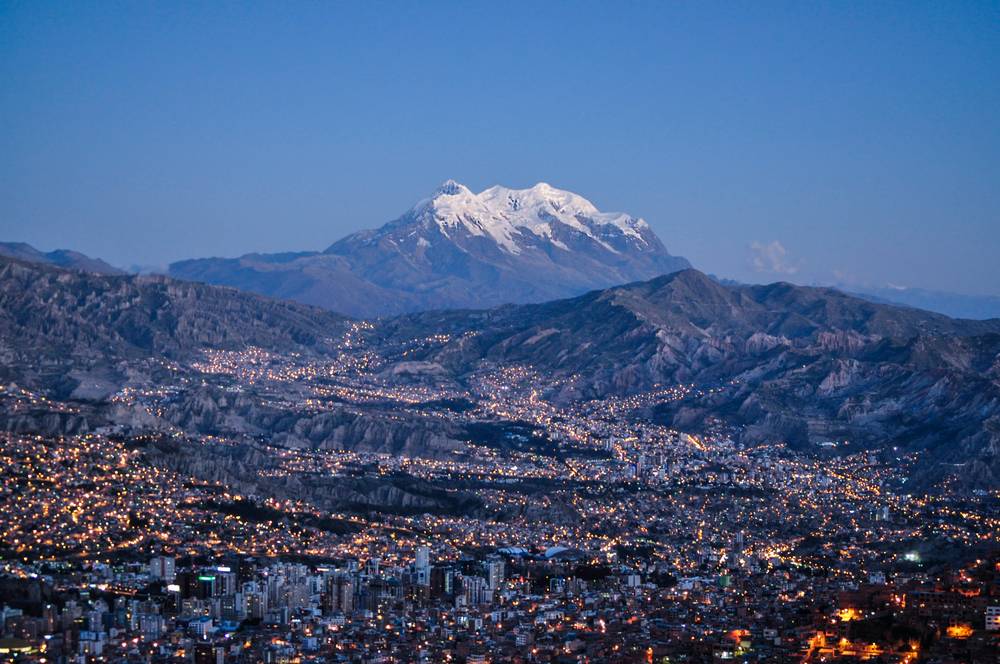
Valle de la Luna
Unique geological formations resembling a lunar landscape.
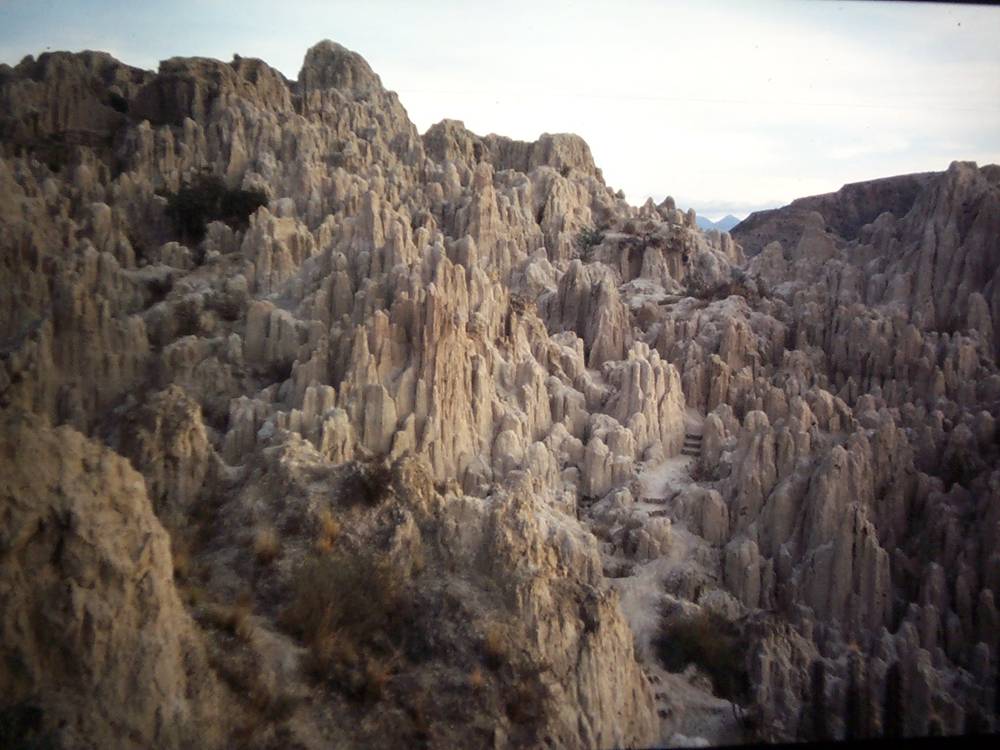
Witches' Market
Traditional market offering herbs, remedies, and ritual items.
San Francisco Church
Historic church known for its intricate Baroque architecture.
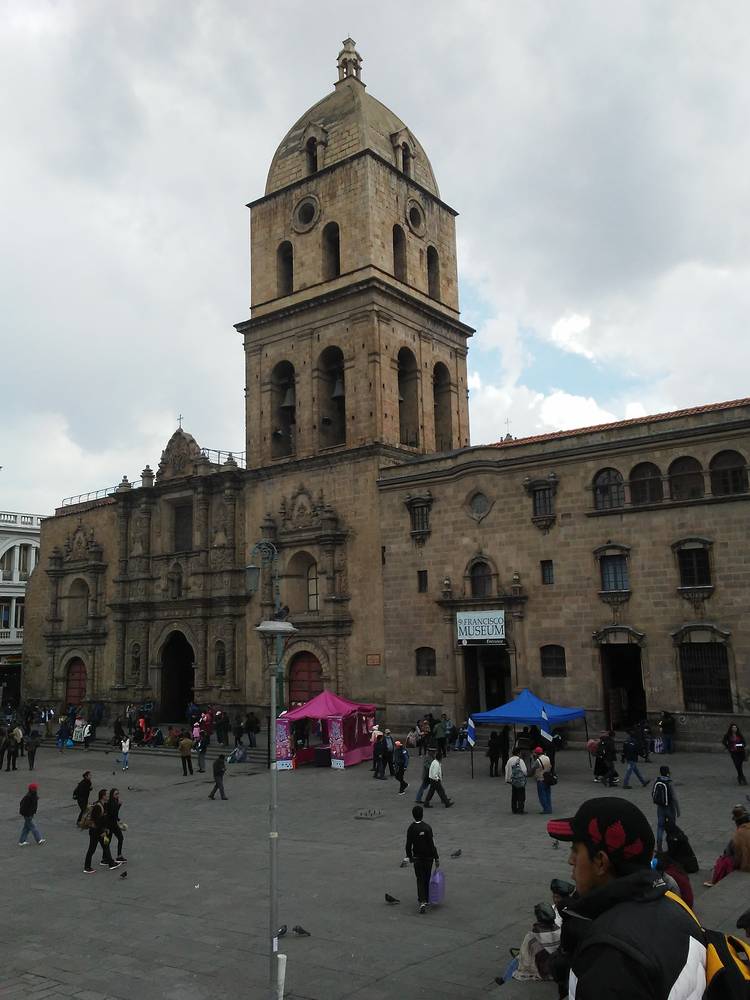
Plaza San Francisco
Major central square beside San Francisco Church, lively with market stalls and locals; historically significant as a frequent site for protests and gatherings.
Plaza Murillo
Central square surrounded by important government buildings.
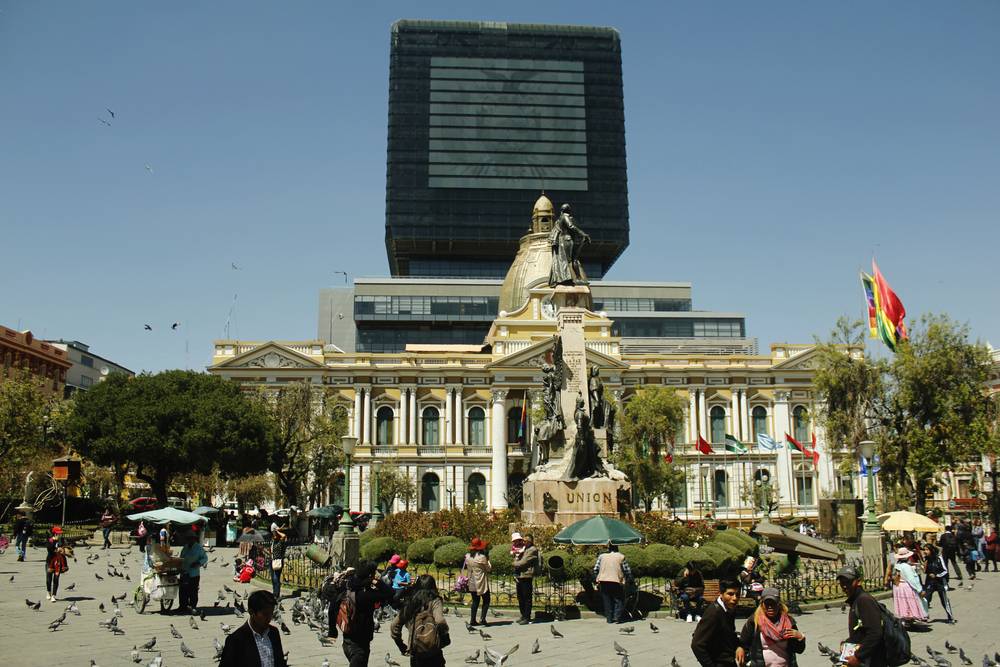
Museo Nacional de Arqueología Tiwanaku
Archaeology museum presenting ceramics, textiles, sculptures, and religious symbols from the long-lasting Tiwanaku civilization, offering deep historical context.
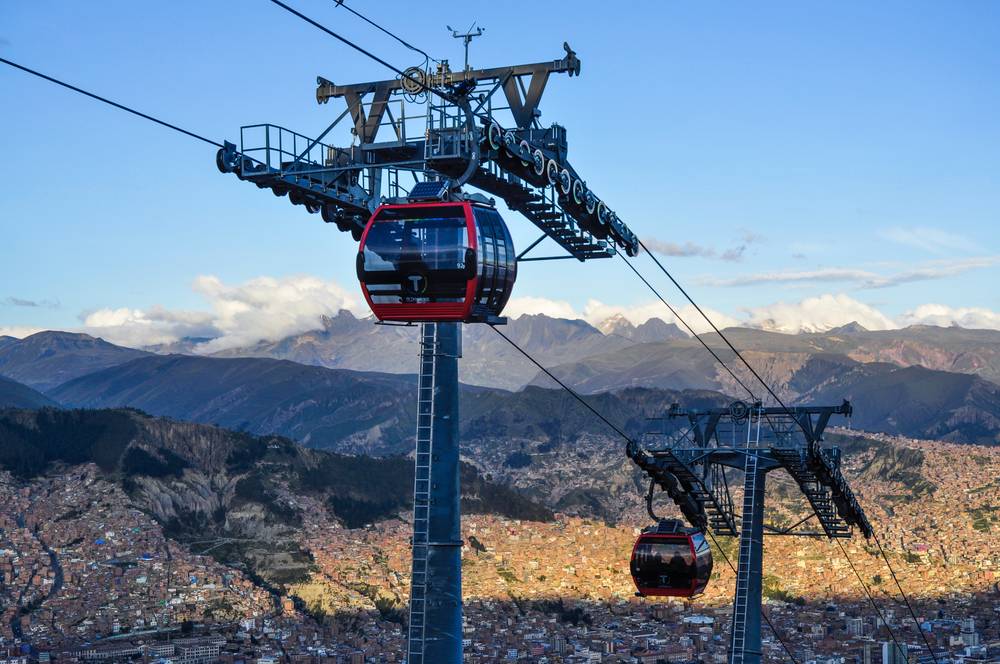
Mi Teleférico
Urban cable car system providing panoramic city views.
Mirador Killi Killi
Popular viewpoint with sweeping panoramas over La Paz’s bowl-shaped cityscape and surrounding mountains, especially rewarding for photos and sunset views.
Coca Museum
Informative museum explaining coca leaf history and its cultural role, plus its modern uses and the realities of cocaine production.
Calle Jaén
Colonial street lined with museums and colorful houses.
Presidential Palace
Prominent government building bordering Plaza Murillo, central to Bolivia’s political life and a must-see exterior landmark in the historic core.
Calle Sagarnaga
Bustling street near San Francisco Cathedral, lined with souvenir shops, alpaca-wool boutiques, eateries, and street art—an easy gateway to the historic center.
Museo de Metales Preciosos
Small museum on Calle Jaén showcasing pre-Columbian gold and silver, offering a focused look at ancient craftsmanship and Andean heritage.
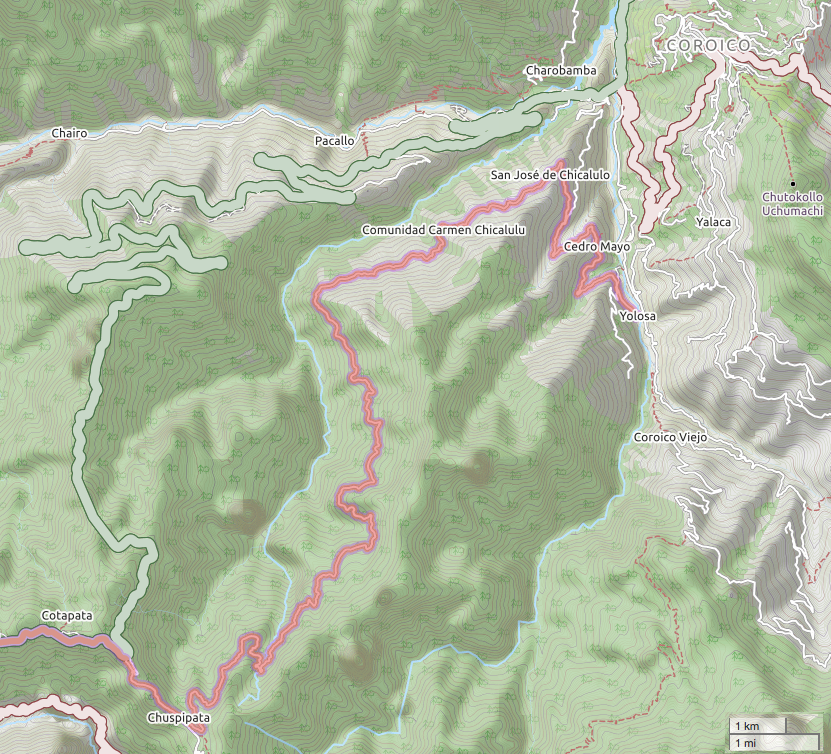
Death Road
Infamous road popular for adventurous mountain biking.
Museo Casa de Murillo
History museum on Calle Jaén exploring Bolivia’s independence struggle, providing context to La Paz’s political identity and national heroes.
Plaza de los Españoles
Accessible viewpoint plaza offering broad city and mountain vistas, a convenient stop to appreciate La Paz’s dramatic topography from above.
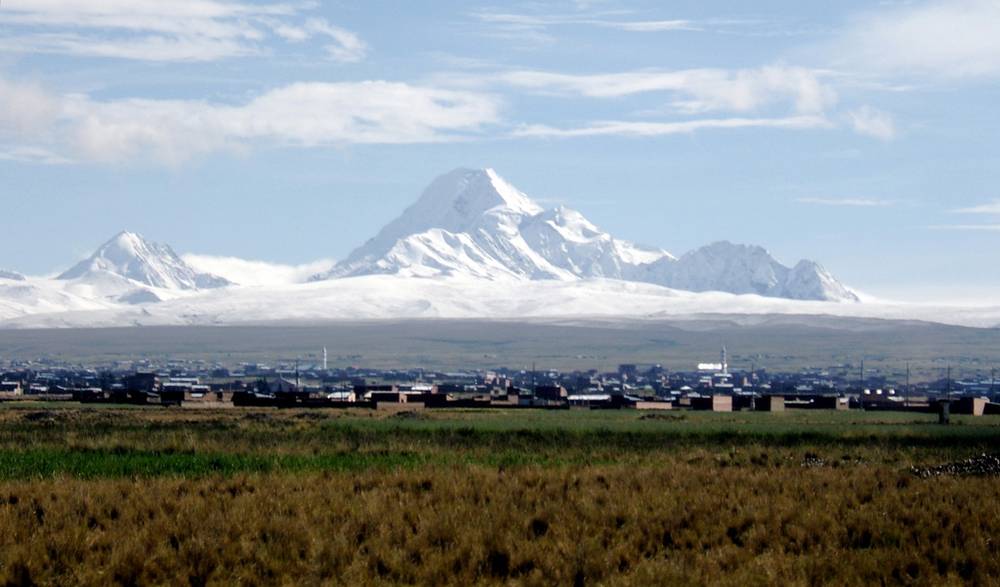
El Alto Market
One of the largest open-air markets in Latin America.
Museo Costumbrista Juan de Vargas
Compact museum highlighting Bolivian traditions and customs, ideal for understanding local culture beyond the main plazas and monuments.
Muela del Diablo
Distinctive rock formation popular for hiking.
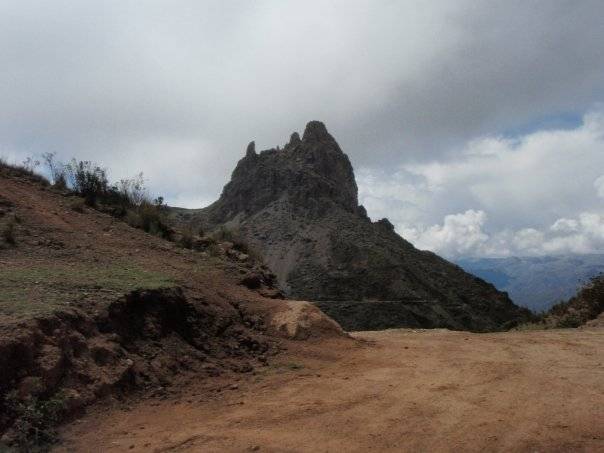
Valle de las Ánimas
Dramatic valley known for its striking rock spires.
San Jorge
Modern, upscale adjacent district with luxury hotels and excellent cable-car connections; cited as one of the safest options.
Calacoto
Premium residential and commercial neighborhood with rich residents, convenient location, and safe environment.
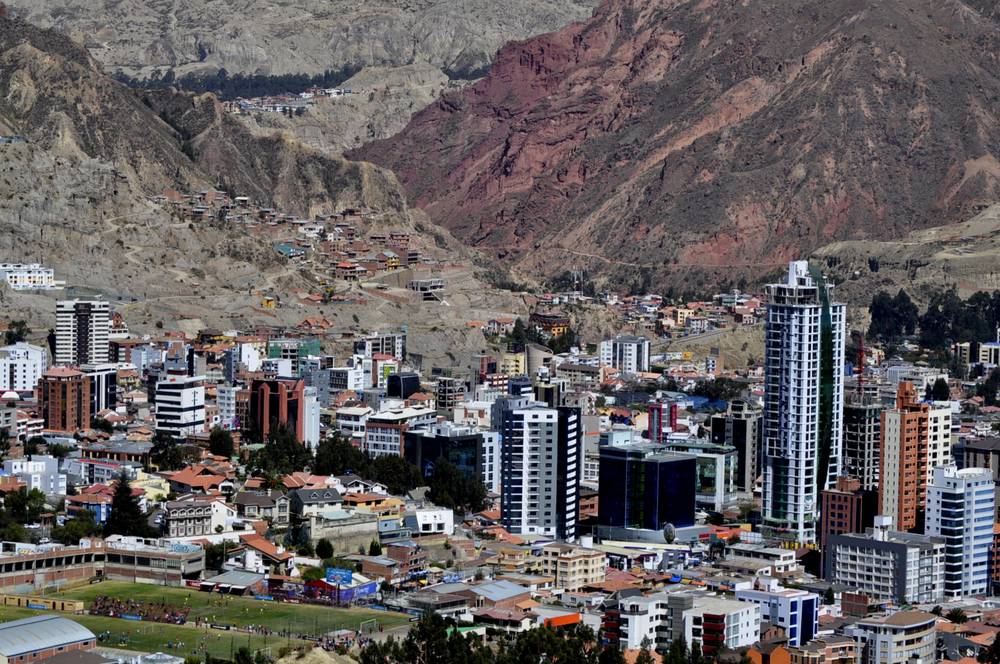
San Miguel
Commercial neighborhood with shops, malls, entertainment, and a calm, safe atmosphere.
Sopocachi
Charming, wooded, and clean area with a bohemian atmosphere, pubs, nightclubs, and high-end apartments.
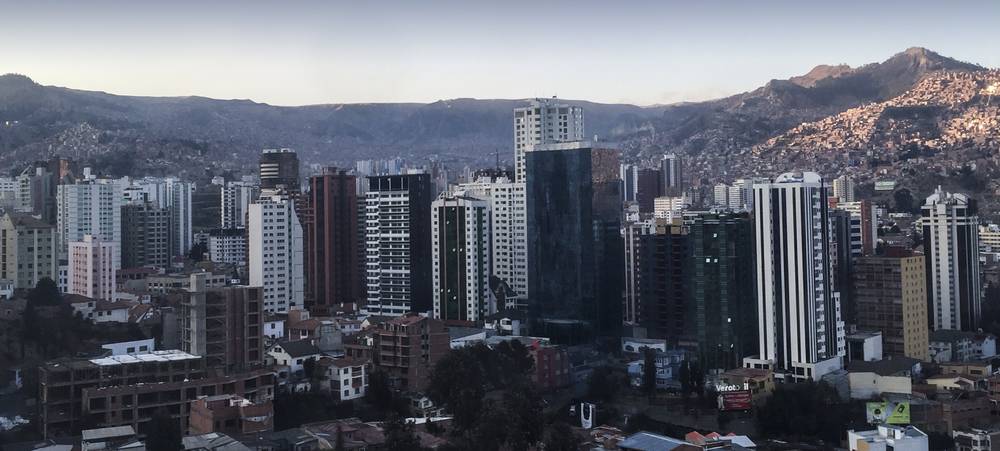
Obrajes
Quiet residential south suburb with milder temperatures, greenery, dining options, and nearby Teleférico stations for easy access.
El Rosario and Belen
Tourist-focused area with hotels, hostels, and major attractions, but crowded and noisy.
Center
Government and institutional buildings with some colonial architecture, but less practical for tourists.
LPB
El Alto International Airport
Rates updated 2 months, 2 weeks ago
To keep your estimates simple and universally clear, we drop the cents and use a space for thousands.
- © 2026 Citydex
- Terms
- Privacy
- Attributions
- Cookies
- Contact Us